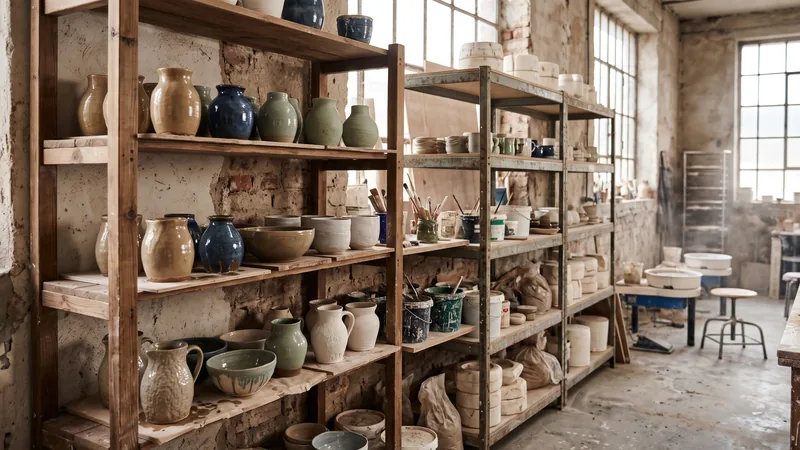
A small studio in Izmir
ORMA started in Izmir with a single potter's wheel and a small kiln. At first we only made the mugs and bowls we used ourselves. Orders from friends and neighbors grew the studio over time, but the way we work stayed the same.
Every ceramic piece is still shaped by hand in our studio. From preparing the clay to the final firing, every step happens under one roof. That keeps our quantities small and makes each piece a little different from the last.
Beyond ceramics, we work with small makers across Anatolia. Our linen throws and peshtemals are woven on looms in Denizli, our travertine tables are cut in Afyon, and our olive wood boards come from branches pruned in Ayvalık. Each product draws on the knowledge of people who have worked with that material for generations.
We aren't trying to sell a lot of things. We'd rather make a small number of good ones you'll use for years. Every product page tells you where it was made, who made it, and how long it took. If you have a question about anything, you can write to the studio directly.
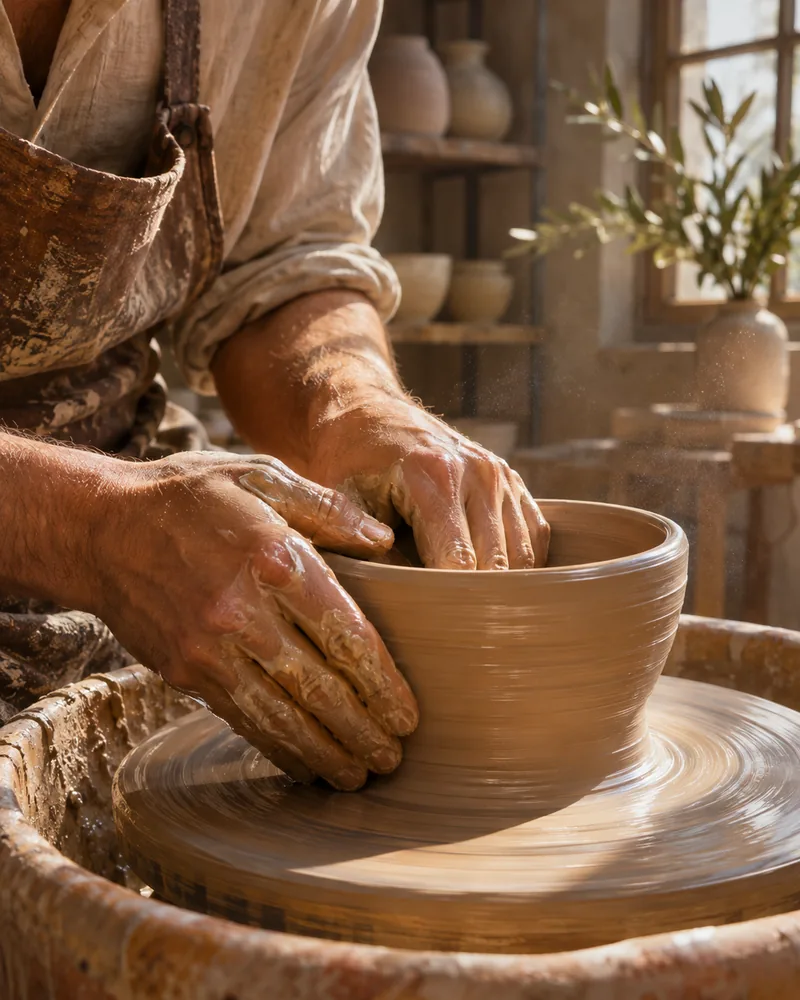
Made by hand
Every ceramic piece is shaped by hand on the wheel in our studio.
Local makers
Everything else is made with small workshops across Anatolia, on fair terms.
Built to last
We choose materials and forms that hold up to years of everyday use.
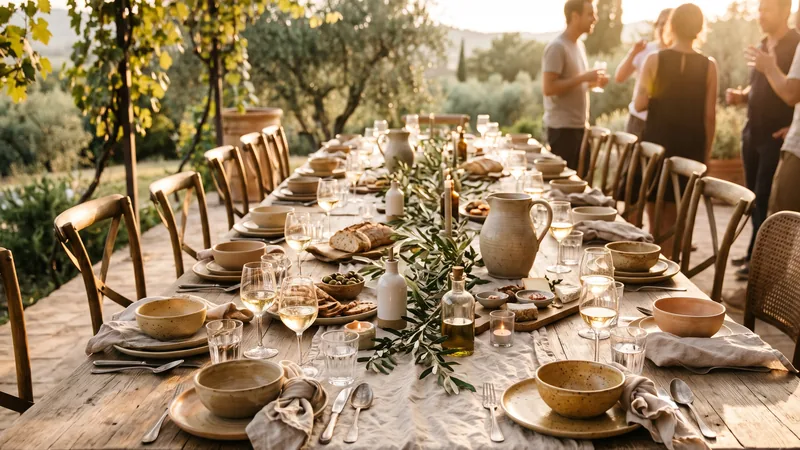
From the atelier
Clay
The stoneware clay rests for a few days. It's then wedged by hand to work out any air bubbles.
Throwing
Each piece is thrown on the wheel one at a time. Once the clay is leather-hard, handles, spouts, and rims are finished by hand.
Glazing
After a first bisque firing, each piece is dipped in glazes we mix in the studio. The thickness and flow of the glaze vary slightly from piece to piece.
Firing
Glazed pieces go back into the kiln for a second firing at around 2280 °F. The kiln then cools slowly over about a day and a half.